Evaluating slam potential in contract bridge is one of the most rewarding yet challenging aspects of the game. Bidding twelve or thirteen tricks requires far more than simply counting high-card points. Successful partnerships rely on advanced hand evaluation methods to ensure they reach small or grand slams safely.
Analyzing Distribution and Suit Fit
High-card point counts offer a helpful baseline, but suit distribution often dictates whether a slam is viable. Long suits with established control can generate multiple tricks without requiring top honors in every card. Identifying an eight-card or nine-card fit early in the bidding allows partnerships to value distribution adjustments like singletons and voids accurately.
When a solid fit is established, distributional values increase dramatically for both declarer and defender. Shortages allow players to trump losing cards in side suits, effectively elevating the overall trick-taking power of the hand. Recognizing these synergies early prevents partnerships from stopping in game contracts when slam is available.
Utilizing Control Bidding Strategies
Control bidding serves as a critical safety check before committing to a slam contract. By bidding suits where they hold first-round controls, such as Aces, or second-round controls like Kings, players reveal crucial defensive stoppers. This systematic exploration prevents the disastrous outcome of losing two quick tricks in unbid suits.
Partnerships often transition into advanced conventions once controls are established. Players who regularly refine their strategic game strategies, much like those searching for a 奖金 m88 bonus online to maximize their tactical experience, appreciate the precision that control bidding offers. Clear signaling ensures that both players understand exactly where the team's strengths and vulnerabilities lie.
Keycard Asking Conventions
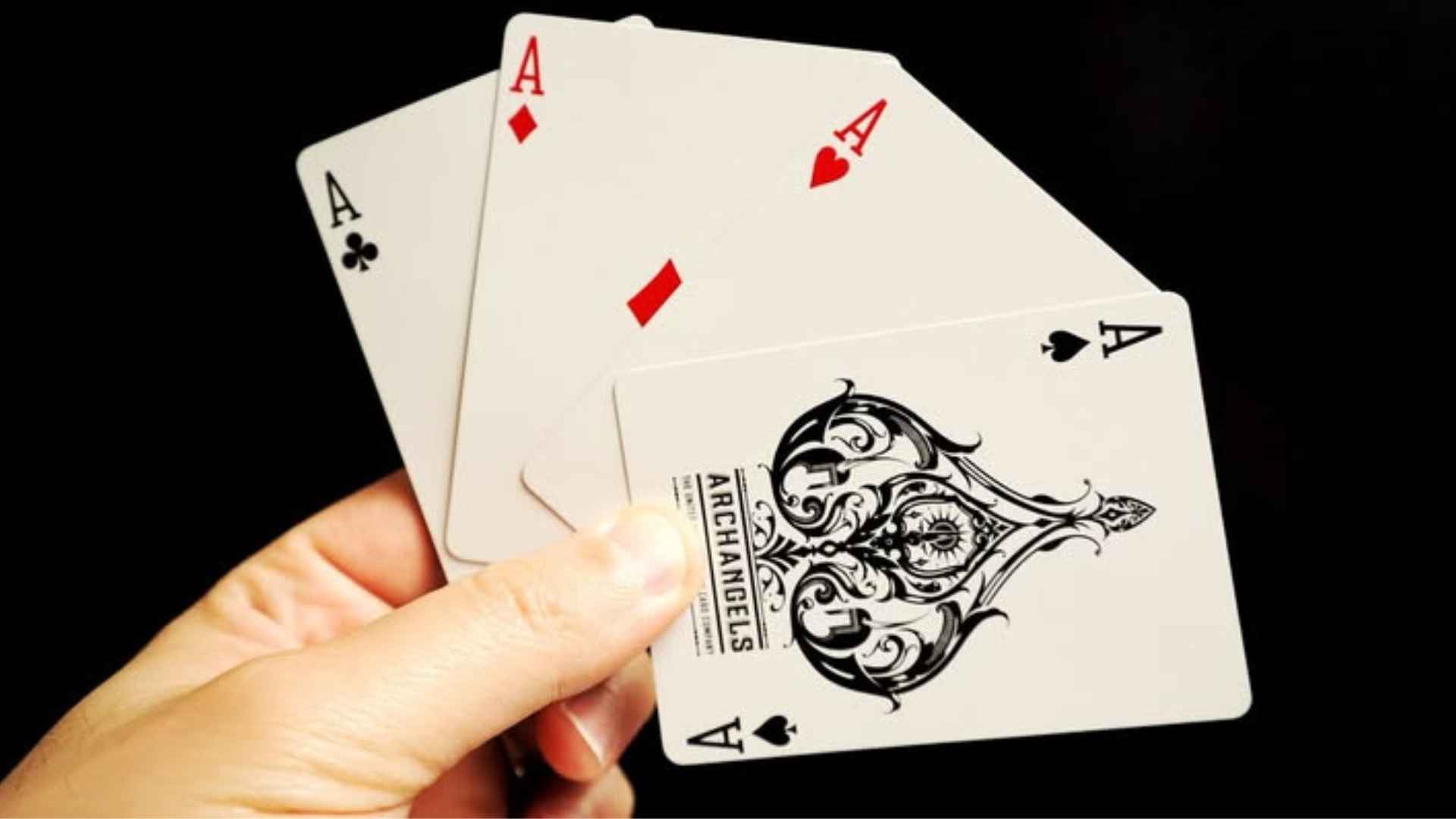
Roman Key Card Blackwood stands as the most popular technique for verifying keycard holdings before bidding slam. Treating the four Aces and the trump King as five distinct keycards provides complete clarity regarding missing top honors. Additionally, secondary inquiries can locate the trump Queen, which is frequently the deciding factor in tight slam decisions.
Using keycard asks effectively requires discipline to avoid overbidding when essential controls are lacking. If the auction reveals that two keycards are missing, the bidding must halt immediately at the five-level. Maintaining this strict boundary preserves hard-earned match points during competitive duplicate bridge sessions.
Evaluating Keycard Quality and Honor Location
Not all honor points hold equal value during slam investigation. Honors concentrated in long suits or combined with partner's high cards produce far more trick potential than isolated Queens and Jacks. Evaluating whether high cards work together harmoniously helps distinguish good slam contracts from risky ventures.
When honor cards are misplaced in opponent-controlled suits, their trick-generating potential drops significantly. Advanced bridge players evaluate how their specific cards fit into their partner's suit structure. Accurate judgment at this stage ensures that only high-probability slams are reached consistently.