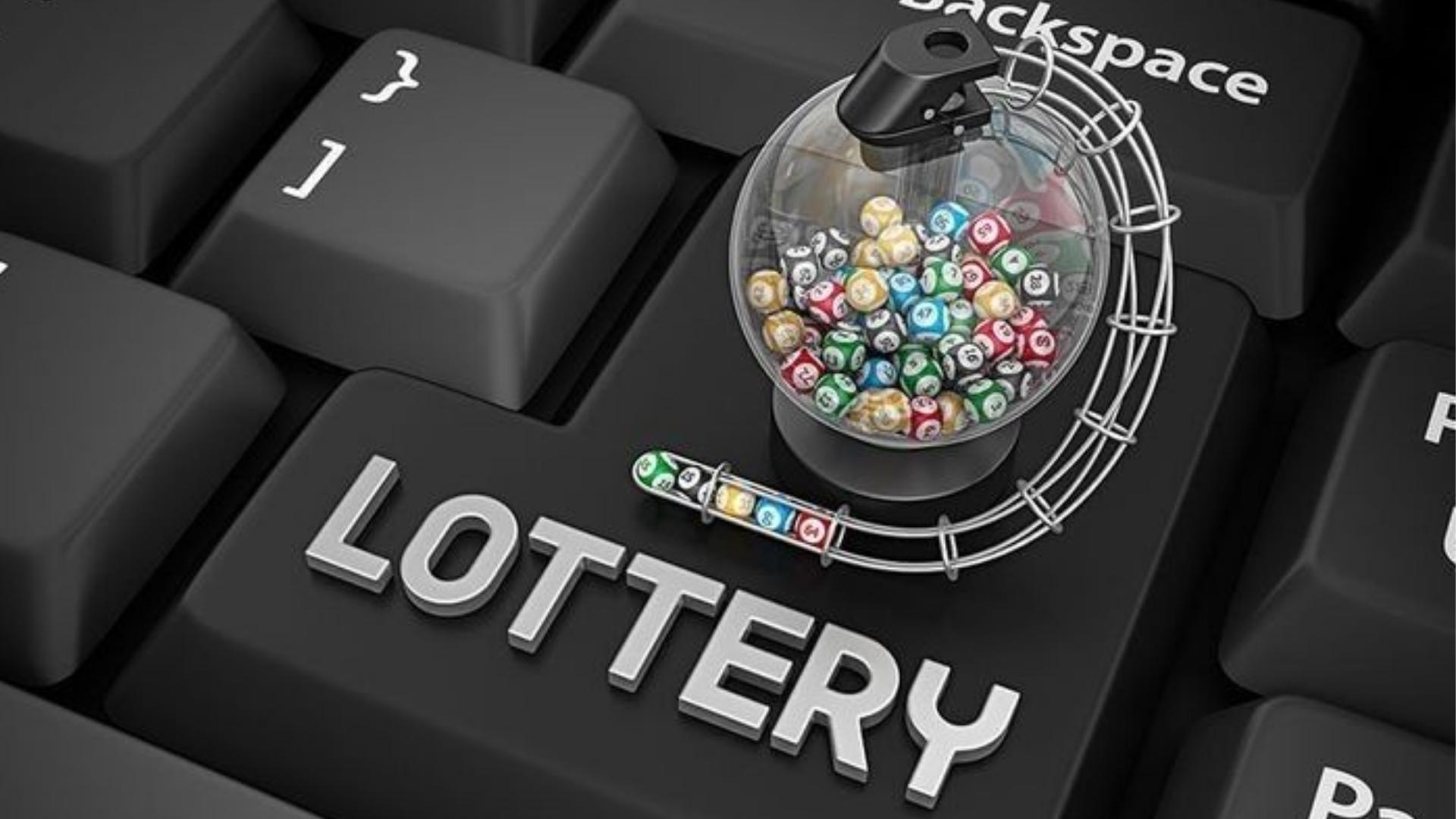
The interactive design of spinning wheels has advanced significantly from basic mechanical layouts into deeply immersive multimedia events. Modern creators focus heavily on maximizing user involvement by implementing responsive elements that make every single rotation feel highly participatory. By combining innovative design frameworks with predictable software logic, digital platforms ensure that players remain fully invested from the initial trigger to the final outcome.
The Transition Toward Dynamic Engagement Models
Traditional setups relied heavily on passive observation where individuals simply clicked a button and waited for a static needle to settle. Contemporary designers are changing this dynamic by introducing choices that allow users to select their favorite reward themes or customize their sensory interfaces before playing. This elevated level of agency shifts the psychological experience from a repetitive transaction into a meaningful journey.
Furthermore, real-time auditory and visual updates play a critical role in sustaining player interest throughout each round. When an interface responds dynamically to a near-miss or celebrates a secondary milestone, it triggers a strong sense of personal achievement. This comprehensive feedback loop transforms standard gaming sessions into memorable entertainment milestones that people genuinely enjoy returning to.
Balancing Randomness with Structural Fairness
At the center of every successful interactive system lies a commitment to operational transparency and balanced reward structures. Experienced participants are drawn to platforms that clearly outline how their selection mechanics operate behind the scenes. This open approach establishes long-term trust and helps users build realistic expectations before they begin spinning.
Many leading networks leverage complex mathematical configurations to ensure that every separate turn delivers a unique outcome. For example, exploring an established brand like the m88 casino platform reveals how digital frameworks use verified algorithms to maintain fair distributions. This structural reliability allows players to focus entirely on the anticipation of the game rather than worrying about behind-the-scenes equity.
Designing Layered Incentive Frameworks
A frequent mistake in basic design is focusing exclusively on a single grand prize while neglecting the lower portions of the selection matrix. Creative developers recognize that dividing segments into major, intermediate, and promotional bonuses maintains a continuous stream of engagement. When casual players receive fractional value even on common outcomes, the sustainable nature of the session improves dramatically.
These secondary rewards can include items like extra playtime, loyalty point accumulations, or tailored digital collectables that enhance long-term retention. Shifting the focus away from a rare jackpot toward these incremental benefits creates a much healthier and well-balanced recreation environment. Ultimately, true creative innovation lies in building structures where every single wedge offers authentic utility to the user.
Integrating Immersive Sensory Micro-Interactions
The gentle slowdown of a wheel generates a dramatic narrative arc that unfolds over just a few critical seconds. Human psychology is naturally wired to respond to this brief window of uncertainty, making the deceleration phase highly memorable. Utilizing specialized animation techniques can intensify this emotional investment by creating smooth, life-like physical simulations.
By blending haptic feedback, shifting lighting patterns, and adaptive audio scores, modern systems elevate simple participation into a cohesive sensory experience. These carefully engineered micro-interactions prevent monotony and make each separate round feel entirely fresh. As technology continues to evolve, the possibilities for inventing more engaging wheel dynamics remain virtually limitless.