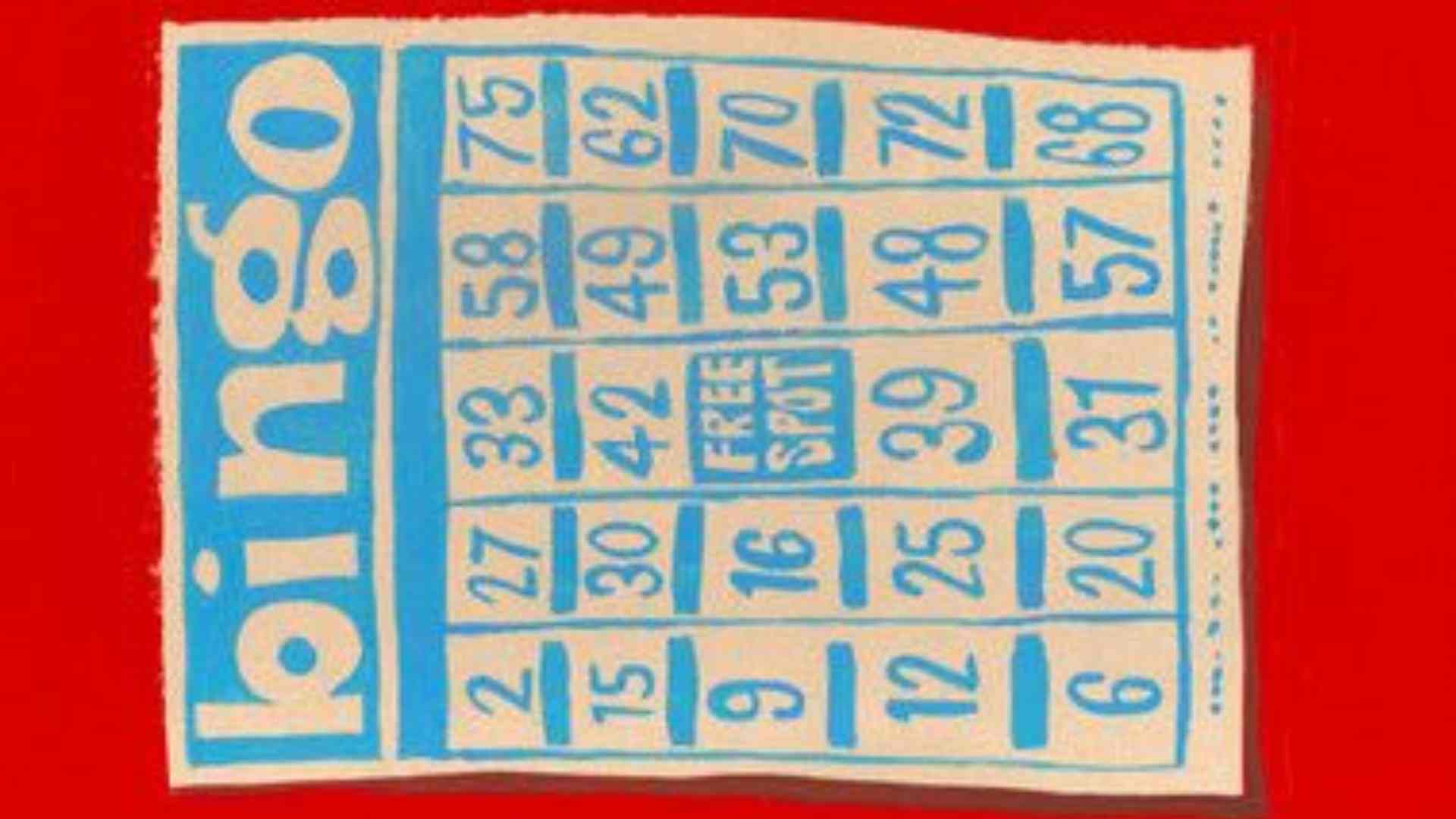
The world of modern gaming offers a massive variety of entertainment options, but few formats match the cognitive depth found in tabletop experiences. Table games with endless tactical options provide a unique dynamic where players must constantly adapt to shifting variables and unexpected opponent maneuvers. This depth ensures that every session feels entirely different, cementing their popularity among strategy enthusiasts worldwide.
The Core Elements of Tabletop Strategy
True tactical depth in a game relies heavily on the balance between hidden information and player agency. When participants have multiple ways to achieve victory, they are forced to weigh the long-term benefits of every decision. This continuous mental engagement prevents the gameplay from becoming predictable or repetitive over multiple sessions.
Furthermore, games featuring deep tactical frameworks encourage players to study mathematical probabilities and behavioral patterns. Success is rarely determined by single strokes of luck, but rather by sustained analytical execution. Experienced individuals often spend hours refining their approaches to counter diverse defensive setups.
Adapting to Dynamic Digital Formats
The transition of classic tabletop mechanics into digital spaces has further expanded the possibilities for complex strategic interactions. Modern platforms allow for automated calculations and instant updates, giving developers the freedom to introduce intricate layer systems. Players can now test their decision-making skills against global opponents in real time.
For those looking to explore these dynamic environments, finding a reliable and secure portal is highly beneficial. Enthusiasts often look for a seamless login situs m88 to access a wide variety of interactive options. Engaging with these virtual formats helps sharpen competitive instincts and offers deep tactical engagement from the comfort of home.
Psychological Benefits of Deep Gameplay
Regularly participating in activities that require multi-layered planning provides excellent exercise for the human brain. It enhances critical thinking, improves spatial awareness, and strengthens working memory over time. Players learn to manage stress effectively while making high-stakes choices under strict time constraints.
Additionally, these intellectual challenges foster a strong sense of personal growth as players slowly master complex mechanics. Overcoming a difficult scenario through calculated planning brings a unique level of satisfaction that simple chance-based games cannot replicate. This mental reward loop explains why strategic tabletop systems maintain such high replay value across generations.
Long-Term Value and Replayability
The ultimate sign of a well-designed strategic game is its ability to remain fresh after dozens of playthroughs. When a system provides endless options, the community surrounding it continuously discovers new combinations and meta-strategies. This evolving landscape ensures the game remains relevant for years.
Ultimately, investing time in mastering these sophisticated systems offers a rewarding hobby that goes far beyond basic entertainment. By prioritizing tactical flexibility and continuous learning, players ensure that every match remains an exciting intellectual battleground.