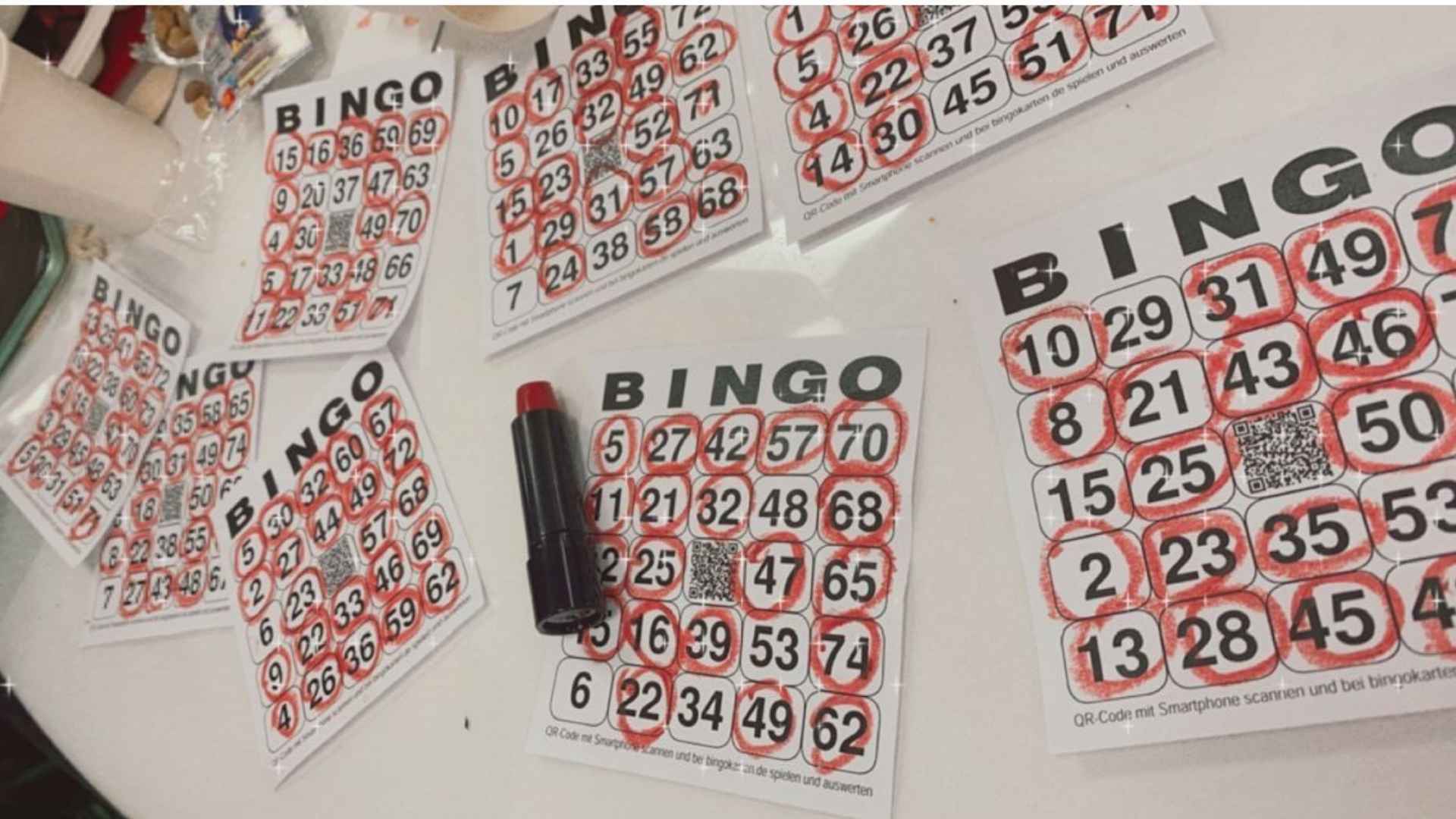
Modern digital entertainment offers continuous access to interactive games, making it easy for players to spend hours in a single sitting. However, extended play often leads to diminishing returns in terms of enjoyment and engagement. Structuring entertainment into shorter bursts helps maintain a higher level of enjoyment and keeps the experience feeling fresh.
The Psychology of Habituation in Gaming
When individuals engage with a game for long periods, the brain naturally adapts to the stimuli provided. This psychological process, known as habituation, gradually reduces the initial thrill of wins and new achievements. Shortening session lengths prevents this desensitization, ensuring that each interaction retains its original appeal.
Stepping away while interest is high creates anticipation for the next opportunity to participate. This positive anticipation enhances overall satisfaction and makes returning to the game more rewarding. Players who limit their time often find that every outcome feels more meaningful.
Preventing Decision Fatigue and Burnout
Making constant choices during fast-paced numerical draws or puzzle games requires continuous cognitive effort. Over time, mental fatigue sets in, leading to passive decision-making and reduced focus. Short sessions help preserve mental clarity and maintain a high standard of active engagement.
Avoiding exhaustion is key to maintaining long-term interest in any recreational activity. Taking scheduled breaks ensures that entertainment remains a positive addition to daily routines rather than a source of burnout. Clear boundaries allow players to step back and reflect with a refreshed perspective.
Building Sustainable Entertainment Habits
Establishing defined time limits encourages self-regulation and healthy engagement patterns across digital platforms. Players can set visual reminders or use automated session timers to track their time effectively. Maintaining control over entertainment habits fosters a safer and more balanced approach.
When gaming is integrated responsibly alongside work, exercise, and social activities, it retains its value as a relaxing hobby. Taking time to establish clear session parameters helps individuals enjoy digital interactive media without overextending their time or energy budgets.
Maximizing the Value of Every Session
Brief play intervals allow individuals to fully immerse themselves in the immediate mechanics without distraction. By concentrating on shorter windows of activity, players can appreciate visual designs, sound effects, and strategic nuances more completely. Quality of engagement consistently matters more than overall session duration.
Ultimately, treating digital games as short, periodic breaks preserves their novelty over extended periods. Approaching each session with a clear boundary ensures that the activity remains vibrant, enjoyable, and sustainable over the long term.